

Key Takeaways
- Specialized memory care offers personalized approaches that can help slow cognitive decline through structured activities and professional support.
- Trained associates create safe environments with daily routines designed specifically for cognitive needs.
- Family involvement and early intervention play important roles in maintaining quality of life.
- Professional memory care communities provide resources that may not be available in other living situations.
How Memory Care Can Support Your Loved One’s Cognitive Health
When you notice changes in your loved one’s memory or thinking, you might wonder what options can help slow these changes. Many families feel overwhelmed trying to provide the right kind of support at home while managing their own responsibilities.
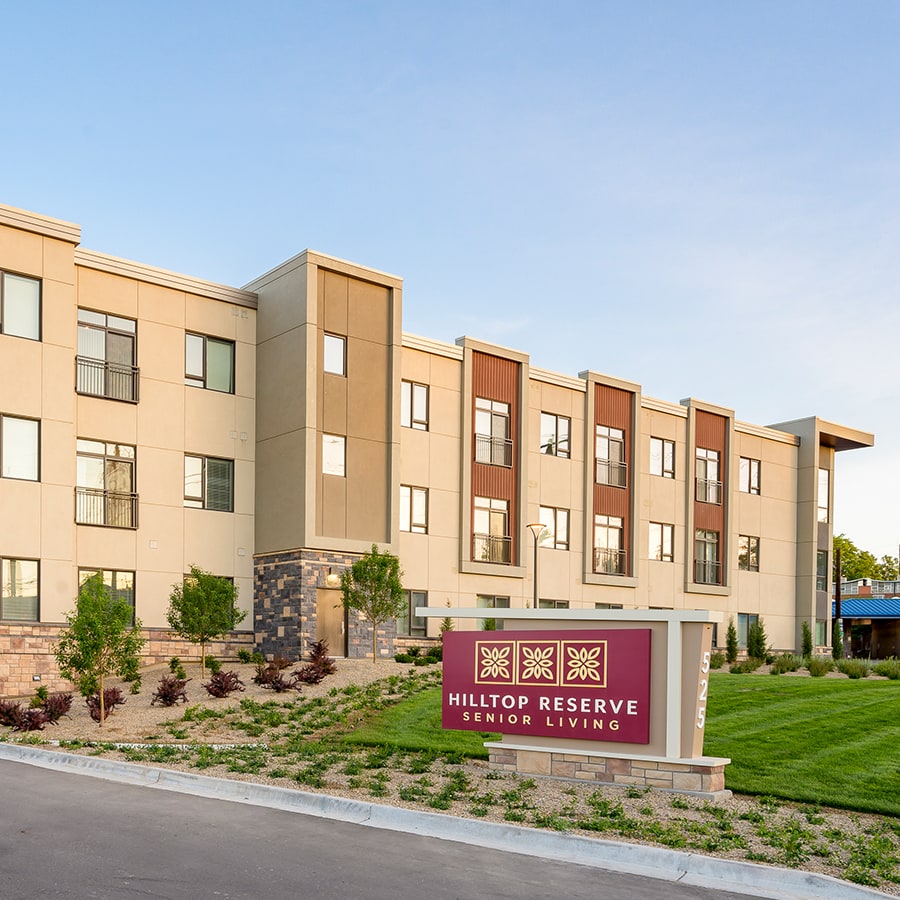
Specialized Hilltop Reserve memory care communities use research-based approaches and trained associates to create environments that can help slow cognitive decline while maintaining your loved one’s dignity and quality of life. These communities focus on individual needs rather than taking a one-size-fits-all approach to care.
How Memory Care Differs from Other Senior Living Options
Memory care communities operate differently from traditional assisted living or independent living options. Each resident receives a personalized care plan that addresses their specific cognitive needs and abilities. These plans get adjusted as needs change over time.
Associates receive specialized training to work with people experiencing memory changes. They know how to communicate effectively, redirect challenging behaviors, and create positive interactions throughout the day. The physical environment also plays a role, with thoughtful design elements that reduce confusion and promote safety.
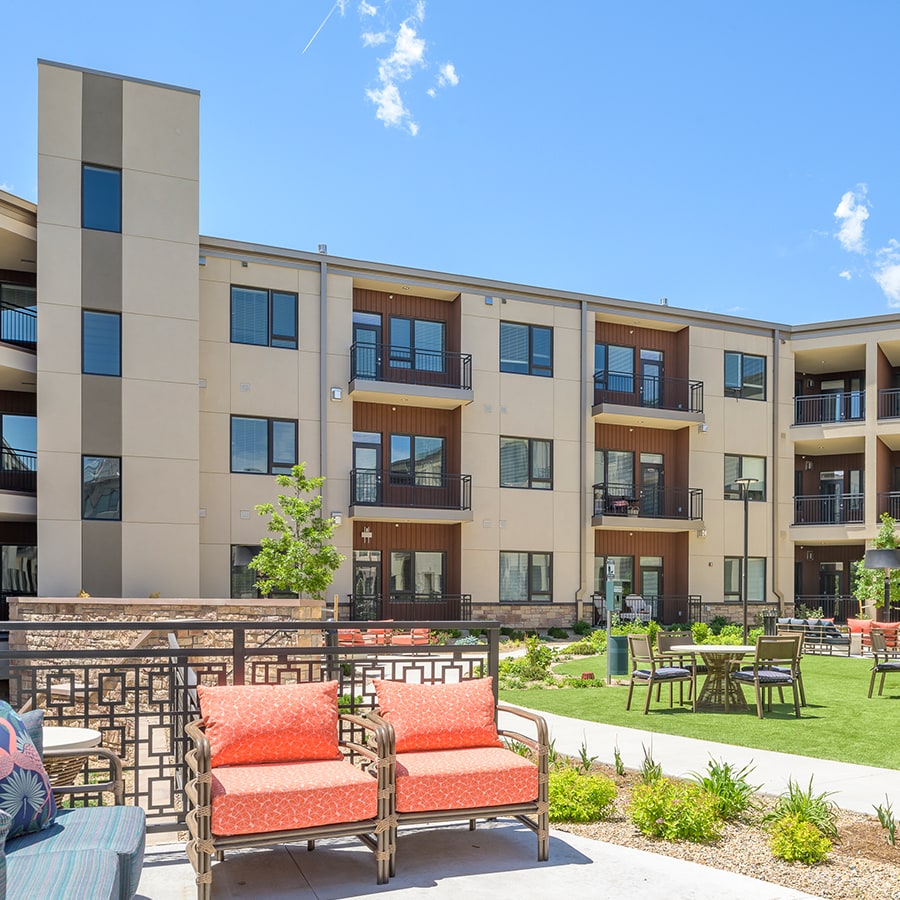
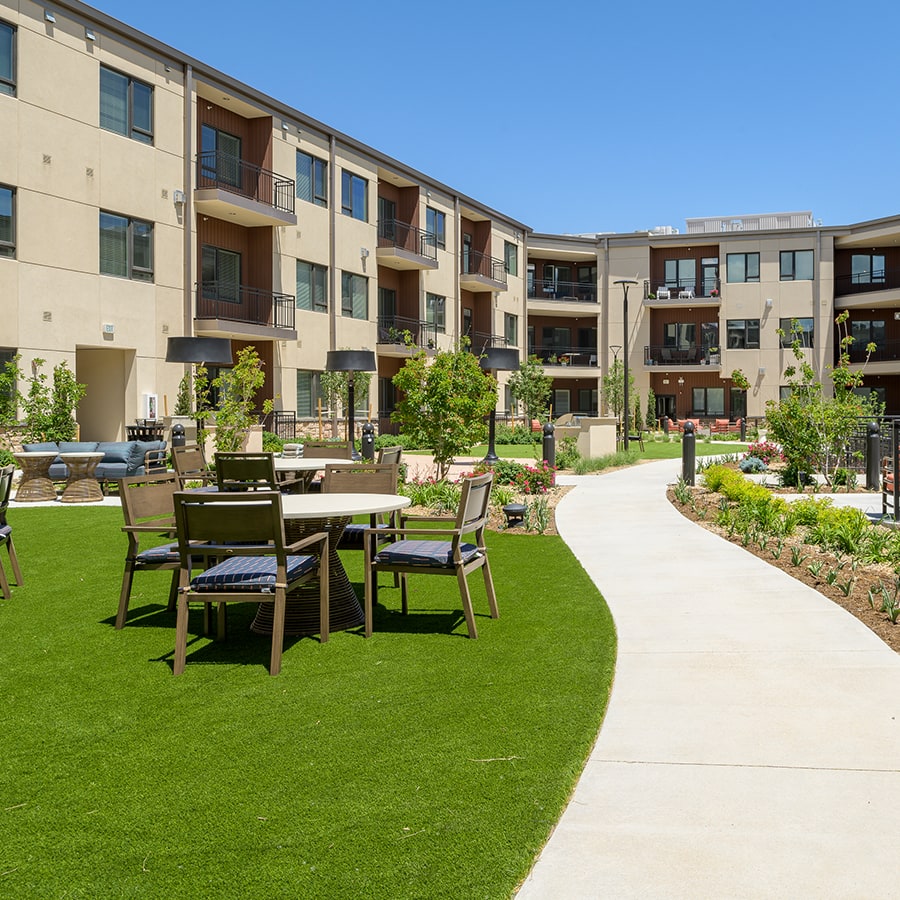
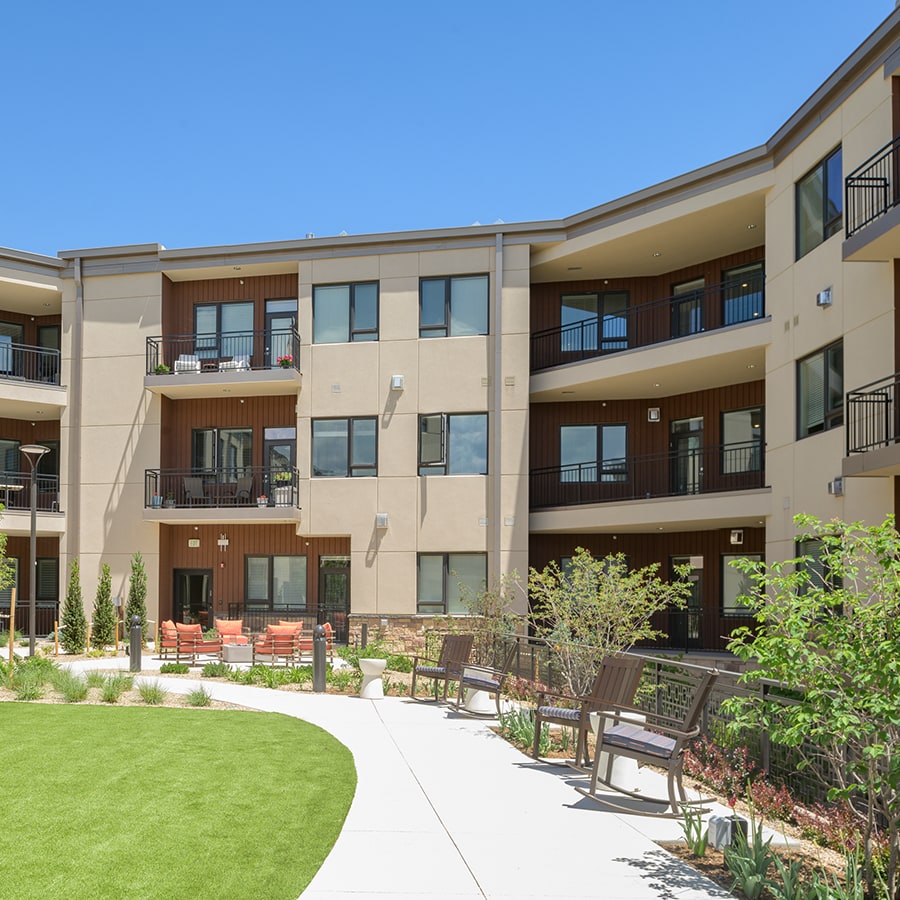
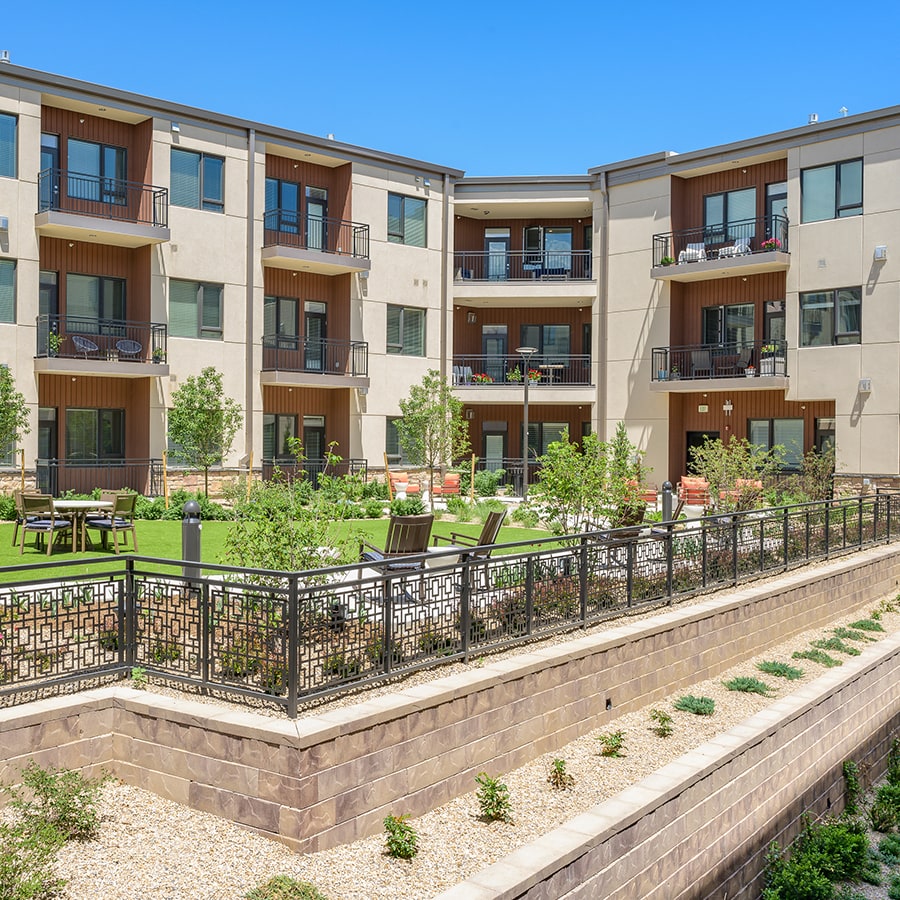
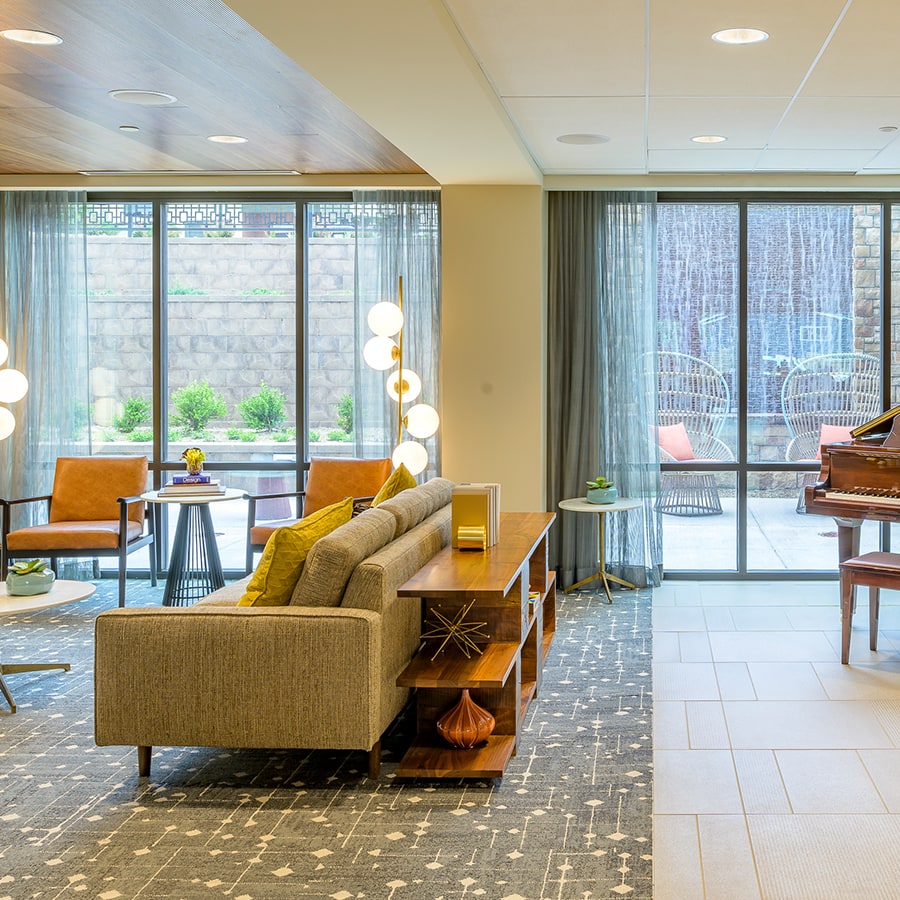
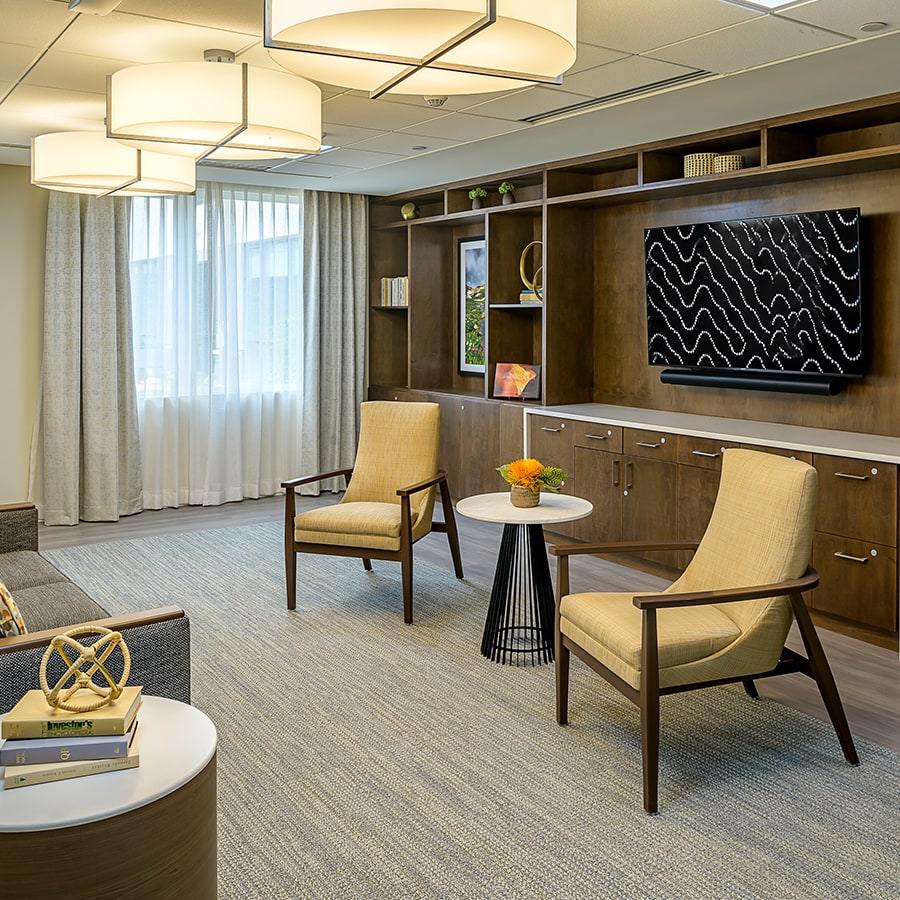
Security measures help prevent wandering while maintaining a homelike atmosphere. You’ll find secure outdoor spaces, clear pathways, and familiar design elements that help residents feel comfortable and oriented.
What Makes Memory Care Programs Effective
Structured Daily Activities and Routines
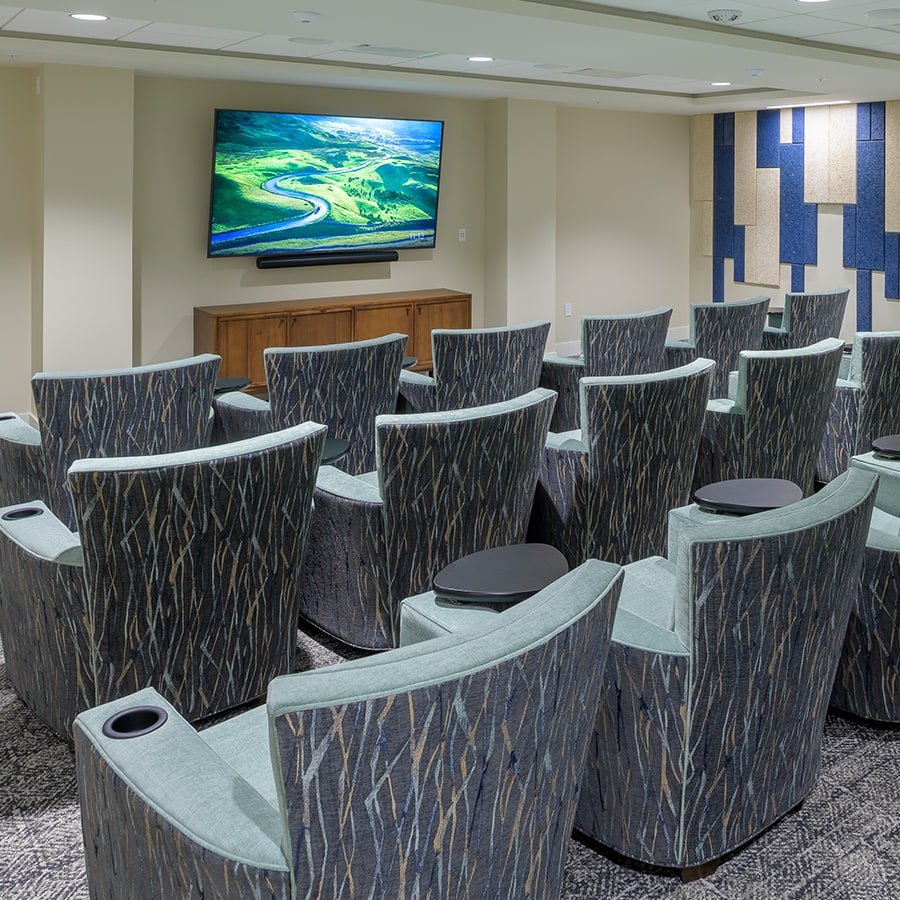
Consistent daily schedules provide stability and reduce anxiety for people with memory changes. Your loved one will participate in activities designed to stimulate cognitive function, such as music therapy, art projects, and gentle brain exercises.
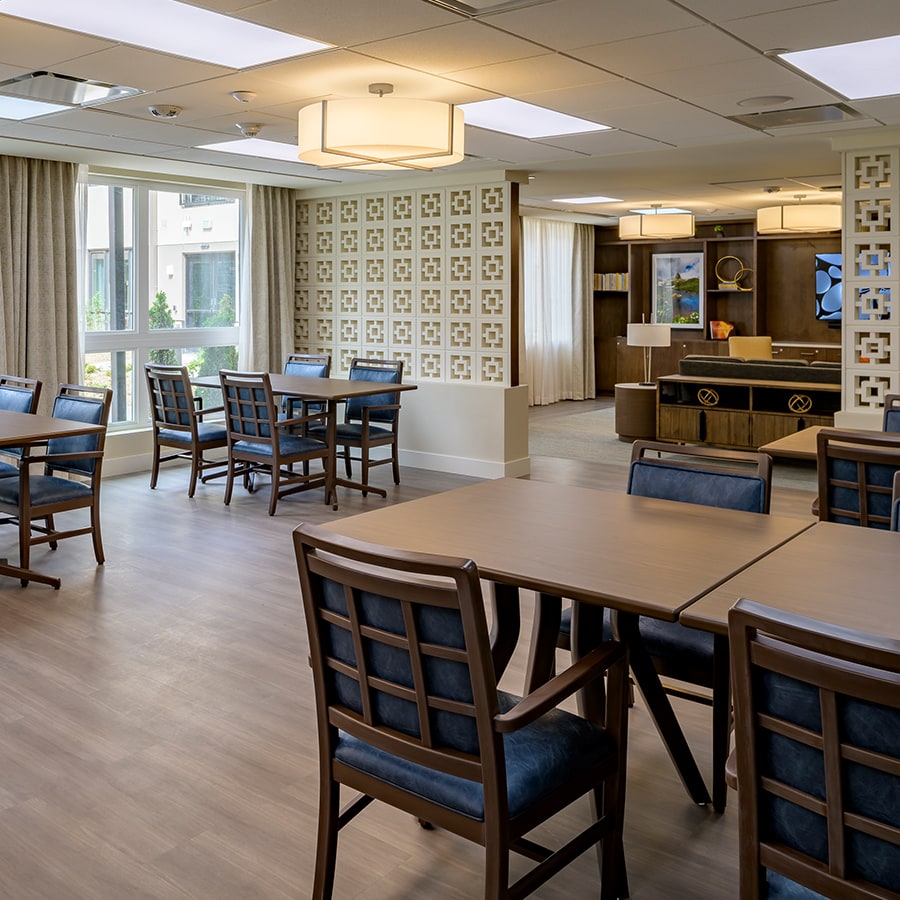
Social interaction remains important for cognitive health. Memory care communities create opportunities for residents to connect with others through group activities, shared meals, and structured social programs. These interactions help maintain communication skills and emotional well-being.
Nutritional Support and Physical Wellness
Proper nutrition supports brain health, and memory care communities provide balanced meals designed with cognitive wellness in mind. Associates can help with eating when needed, making mealtime a pleasant social experience rather than a source of stress.
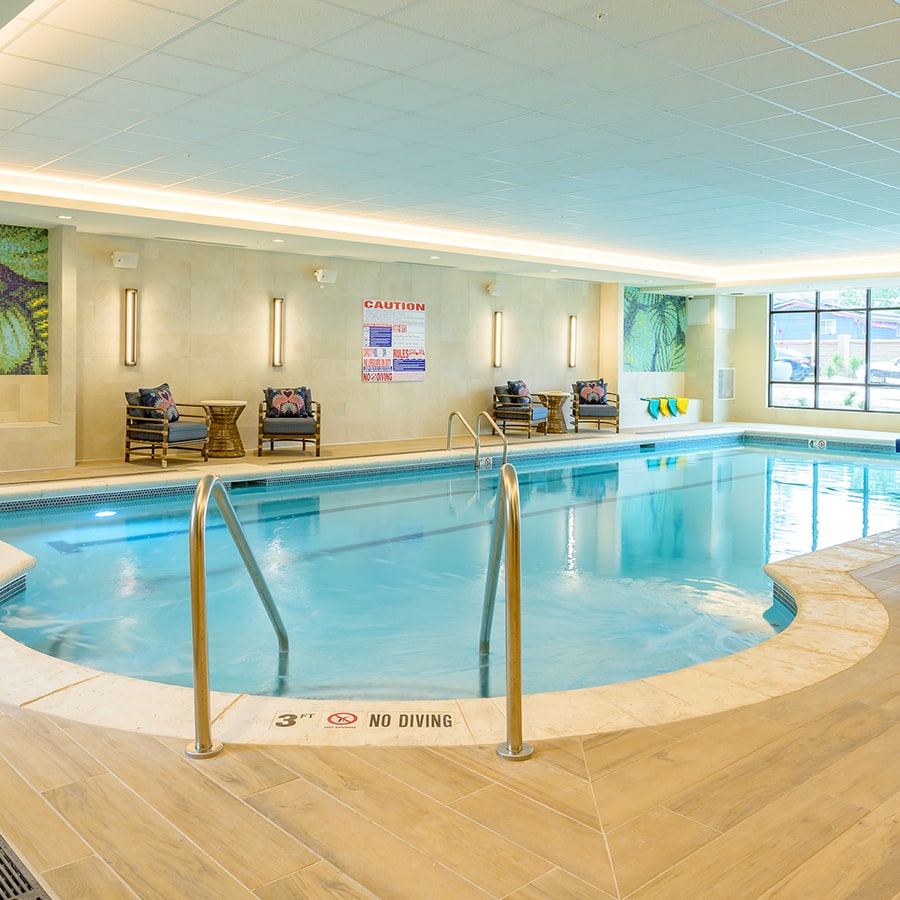
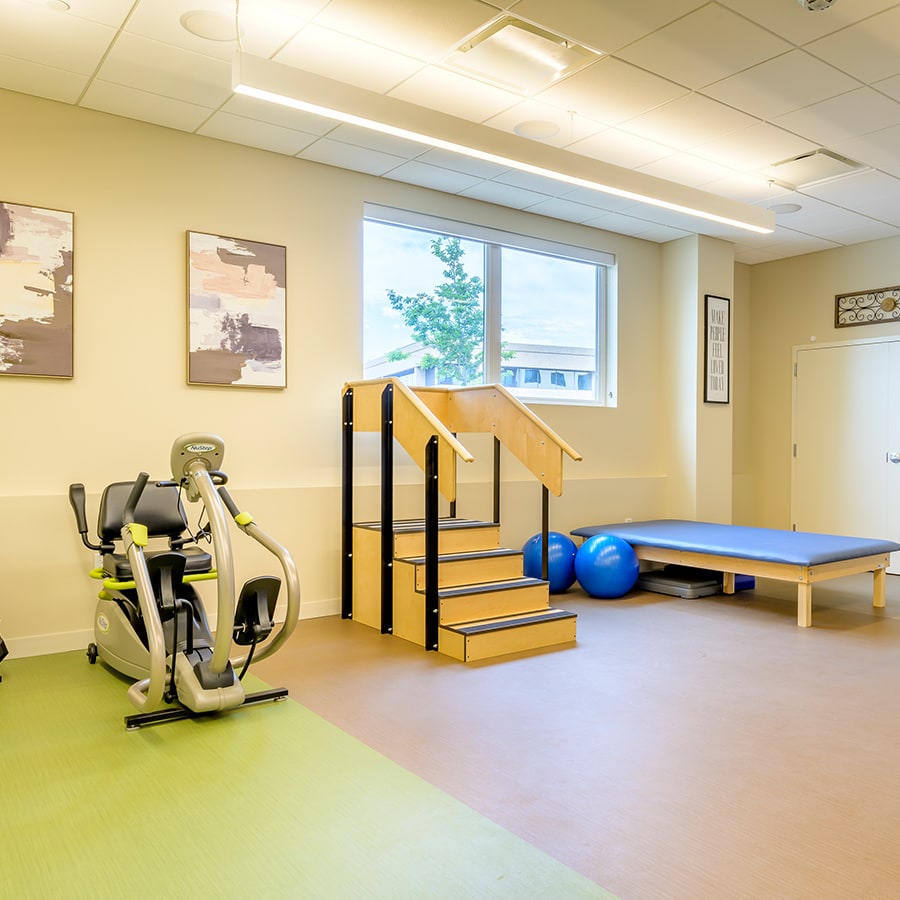
Physical activity programs are adapted for different ability levels. Your loved one might participate in chair exercises, walking groups, or gentle movement activities that help maintain physical function and support overall health.
How You Can Support Your Loved One
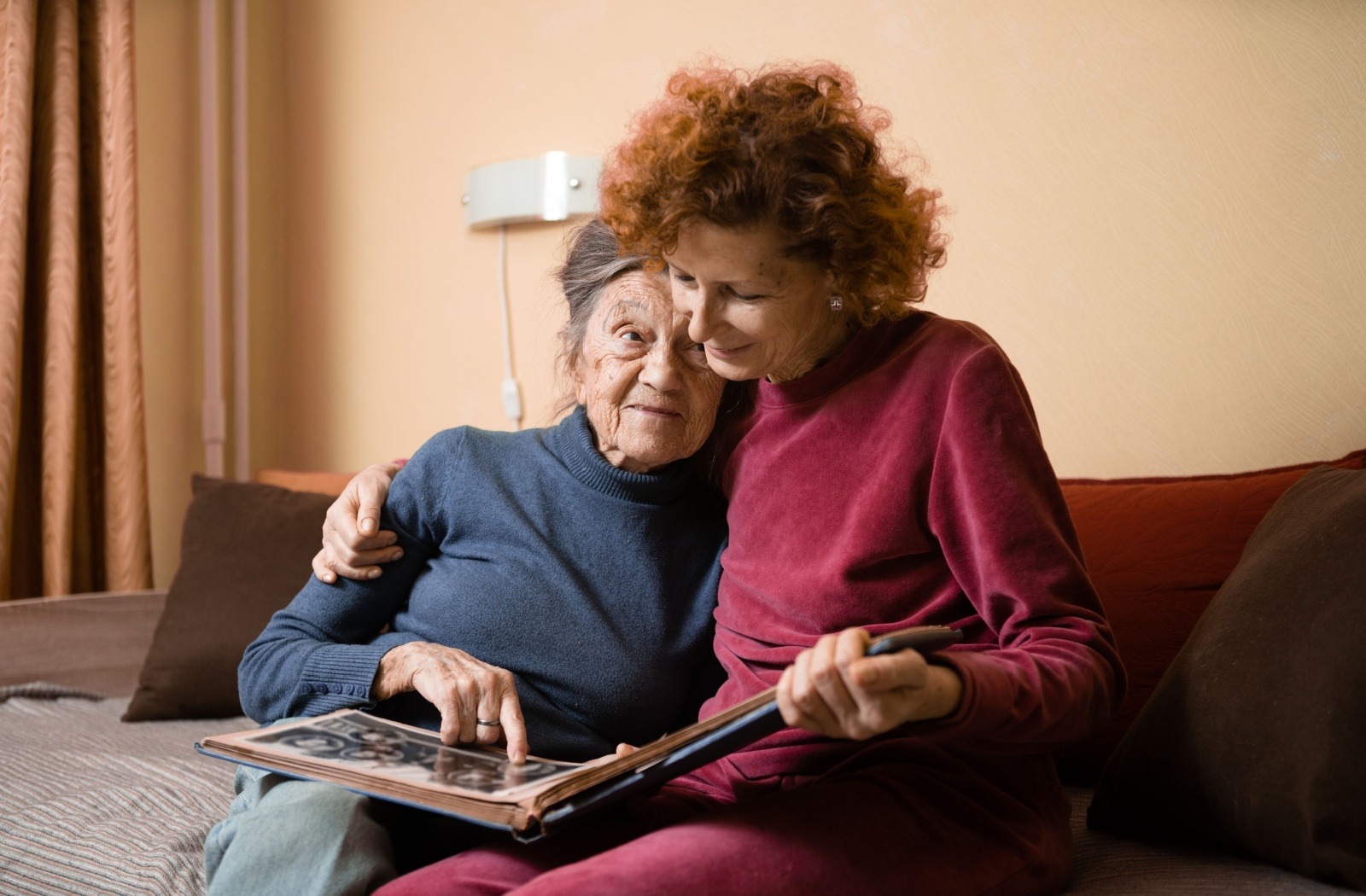
Your involvement remains important even after your loved one moves to memory care. Regular visits help maintain your connection and provide emotional support. You might participate in activities together or simply spend quiet time in familiar conversation.
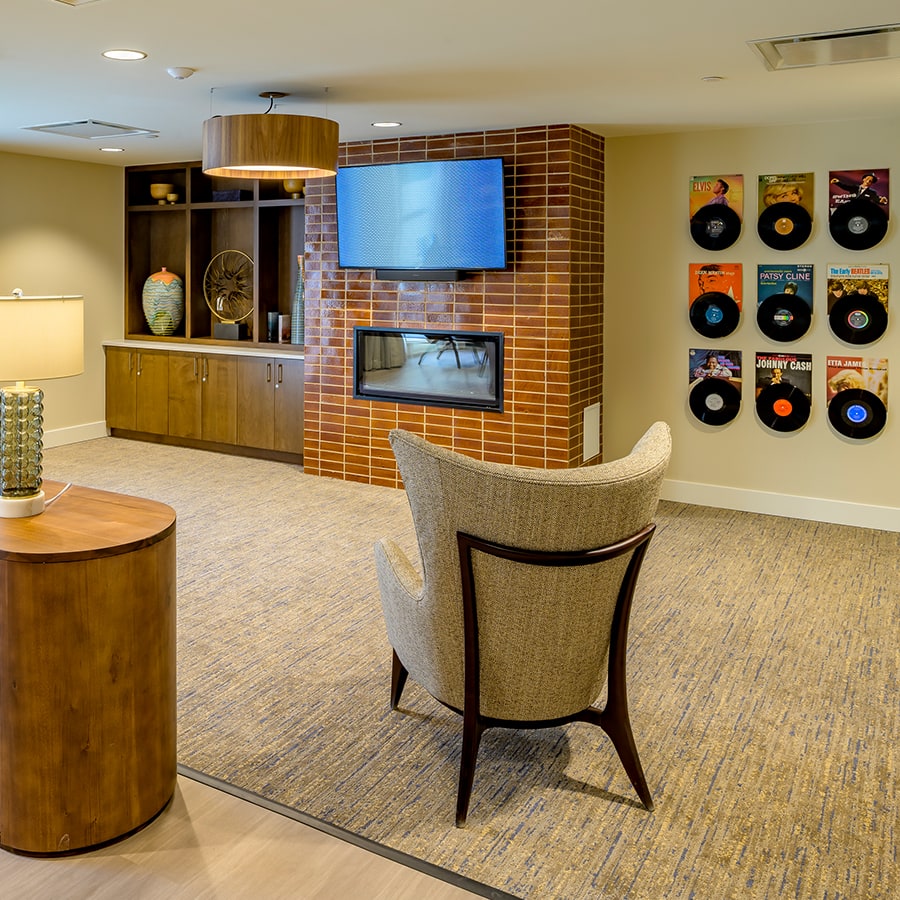
Bringing familiar items from home can help your loved one feel more comfortable in their new environment. Photos, favorite blankets, or meaningful objects can provide comfort and help with orientation. Care teams often welcome family input about preferences, routines, and what brings your loved one joy.
Participating in care plan discussions helps you stay informed about your loved one’s needs and progress. You can share observations from your visits and work with associates to adjust approaches as needed.
Signs Your Loved One Might Benefit from Memory Care
You might notice your loved one struggling with daily activities they once managed easily. This could include difficulty with personal care, preparing meals, or managing medications safely. These changes often happen gradually, making them hard to recognize at first.
Safety concerns at home or in their current living situation often prompt families to consider memory care. If your loved one wanders, forgets to turn off appliances, or becomes confused about their surroundings, professional support might be helpful.
Social withdrawal can also indicate that additional support would be beneficial. When someone begins avoiding activities they once enjoyed or seems increasingly isolated, memory care communities can provide the social interaction and engagement they need.
Programs like Bridge to Belonging: Early Support That Makes a Difference
Bridge to Belonging at Hilltop Reserve represents how specialized training creates gentle transitions for those in the early stages of cognitive decline. This program allows residents to maintain independence while gradually adding supportive services as needed.
Caregivers trained in this approach understand the delicate balance between providing help and preserving autonomy. They can recognize when someone might benefit from additional support while respecting the person’s desire for independence.
Community connections remain strong through specialized programming that encourages social activities and friendships. Trained associates facilitate these interactions, helping residents feel included and valued within their community.
Taking the Next Step Toward Memory Care
When visiting memory care communities, ask about their approach to individual care planning and how they adapt to changing needs. You’ll want to know about their daily routines, activity programs, and how they support families through the transition process.
The transition to memory care takes time and patience. Most communities work with you to create a gradual adjustment plan that helps your loved one feel comfortable in their new environment. This might include short visits before moving in or bringing familiar caregivers during the first few days.
At Hilltop Reserve, our memory care community uses the Touchpoints approach to provide personalized care that nurtures the mind, body, and spirit. Our associates work closely with families to maintain your loved one’s quality of life while providing the specialized support they need.
Contact our team today to schedule a tour and learn how our memory care community can support your family.