
Key Takeaways
- Hobbies are essential for healthy aging, creating purpose, joy, and connection.
- Seniors benefit from creative, physical, and social pursuits that enhance daily life.
- Senior communities offer supportive spaces and programs that make hobbies more accessible and enjoyable.
As people age, it becomes increasingly important to stay active—physically, mentally, and emotionally.
Daily routines may shift, but hobbies continue to provide fulfillment and purpose at every stage of life. They keep the mind sharp, the body moving, and the spirit engaged.
For seniors, pursuing hobbies can reduce stress, ease loneliness, and strengthen overall well-being.
Getting started with a hobby doesn’t have to be overwhelming! The key is to choose hobbies that match personal interests, set realistic goals, establish a supportive routine, and explore opportunities to connect with others.
By approaching hobbies with intention, seniors in both assisted and independent living can discover activities that enrich their daily lives while fostering creativity, physical movement, and social connection.
What Are the Most Popular Hobbies for Seniors?
Hobbies come in all shapes and sizes, and finding the pastime that sparks joy or promotes relaxation in your life is a personal decision. A good way to discover what’s right for you is to explore old favorites or try hobbies that are popular among older adults.
Creative Outlets to Express Yourself
Art-based activities, such as painting, knitting, woodworking, or pottery, allow seniors to channel their creativity into something tangible.
These hobbies not only reduce stress but also build confidence by turning imagination into finished pieces. Group art classes can also spark conversation and friendships.
Gardening and Outdoor Activities
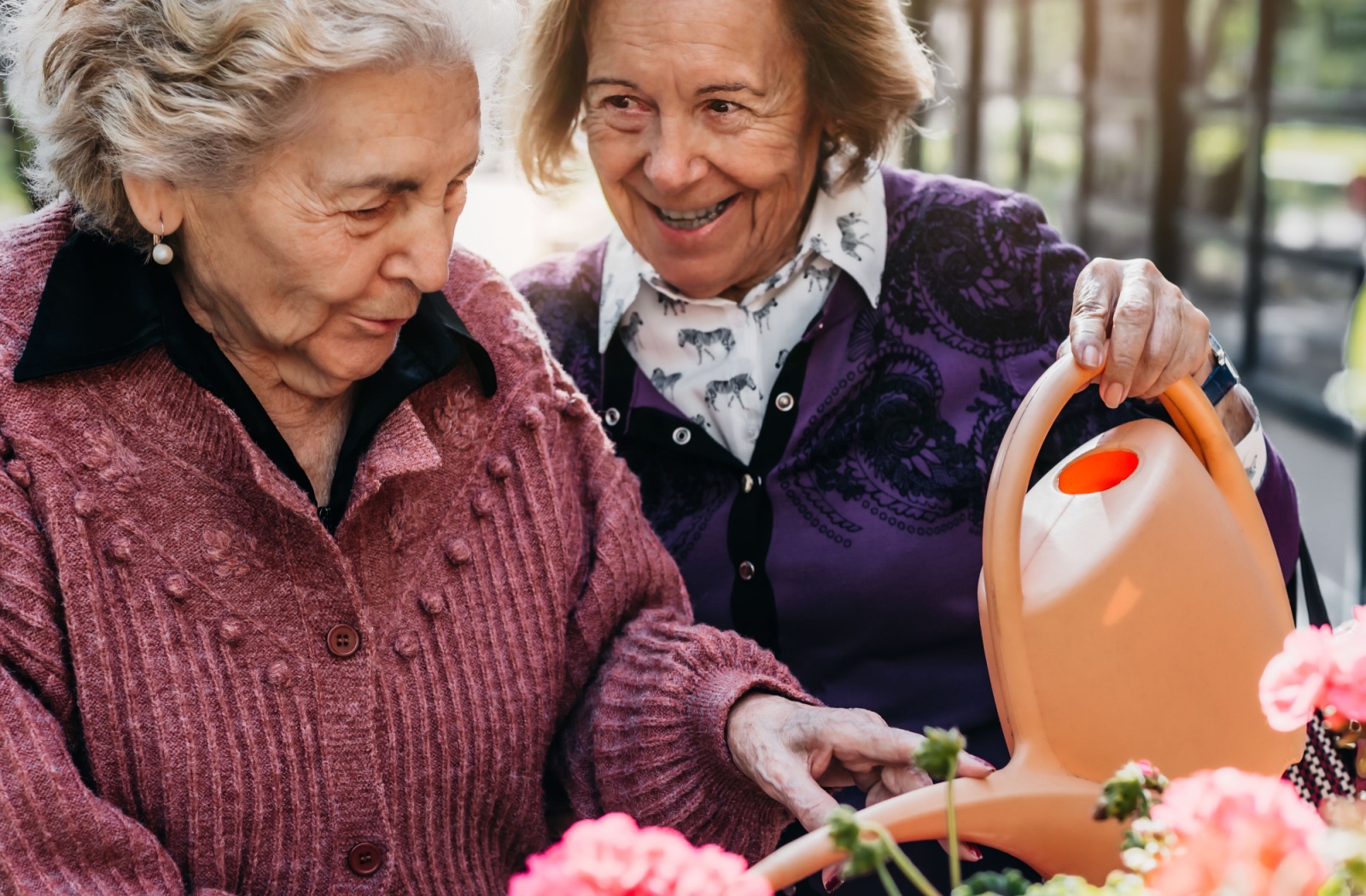
Gardening is one of the most rewarding hobbies for older adults. It can offer many health benefits, combining light physical exercise with the satisfaction of nurturing plants and enjoying nature.
For people living with limited mobility, raised garden beds and container gardens make gardening more accessible.
Birdwatching and light walking outdoors are other relaxing ways to connect with nature while staying active.
Music and Performance
Music has a profound impact on mood and memory. Singing in a group, playing an instrument, or joining a community choir can bring joy while encouraging social connection. For many, music becomes a hobby that also serves as a form of therapy, uplifting the spirit and engaging the mind.
Fitness and Movement
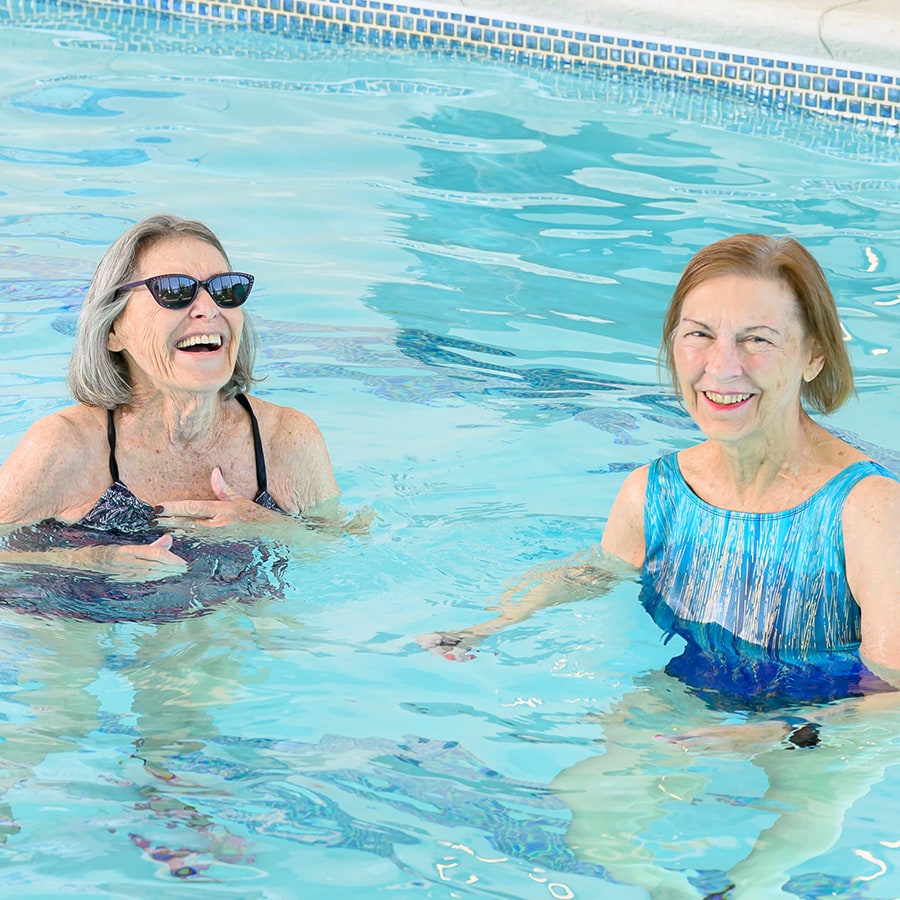
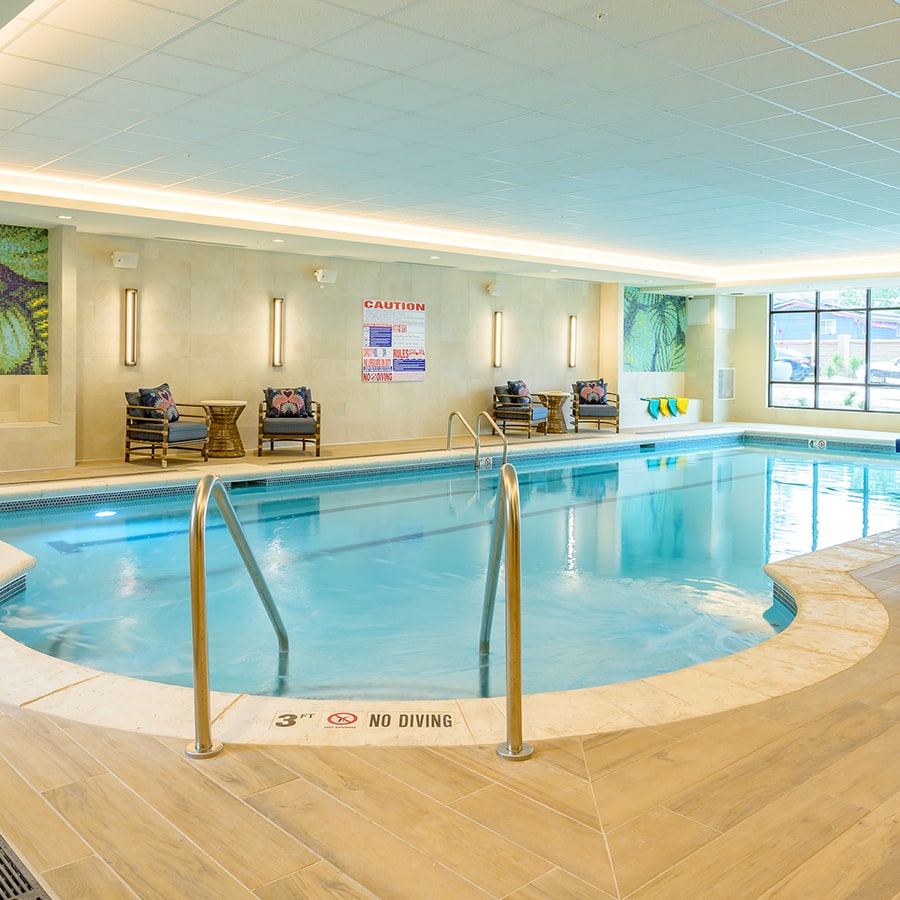
Hobbies don’t always have to be sedentary. You can enjoy gentle fitness activities such as yoga, tai chi, or water aerobics at any age. These low-impact activities can help improve balance, flexibility, and strength while also offering social interaction.
Joining a walking club or dance class adds an extra layer of fun and accountability.
Reading and Lifelong Learning
Many seniors find joy in exploring new knowledge. Book clubs and discussion groups foster mental engagement, strengthening cognitive health and creating opportunities to share perspectives.
Online courses or lectures on history, literature, or science can also keep the mind active. Lifelong learning helps seniors continue growing in curiosity and confidence.
Cooking and Baking as a Shared Joy
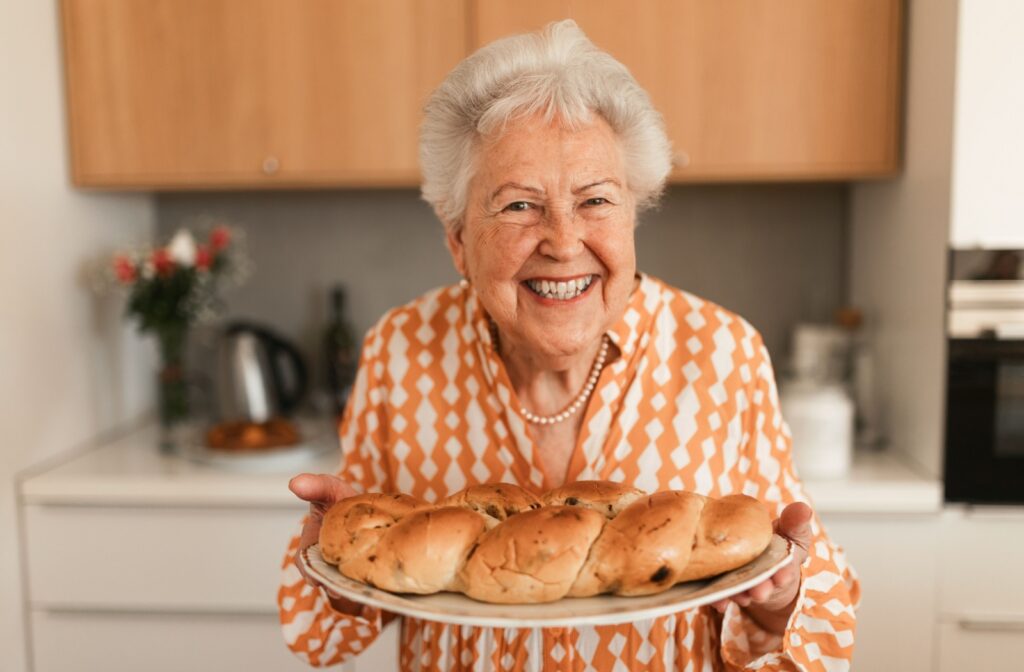
Cooking or baking is both practical and creative. Exploring new recipes, hosting small group tastings, or revisiting family traditions can be deeply rewarding.
Sharing food with others adds a social dimension, turning a solo activity into a community experience filled with conversation and connection.
Volunteering and Giving Back
Helping others can be one of the most meaningful hobbies for seniors. Volunteering with local schools, libraries, or charitable organizations can provide purpose and strengthen community bonds. Giving back creates a sense of belonging while making a positive impact on others.
How Can Seniors Stay Motivated to Continue Their Hobbies?
While the idea of starting or continuing hobbies sounds appealing, motivation can sometimes fade over time. The key is to choose activities that genuinely spark interest. Doing something out of obligation rarely sustains long-term engagement.
Practical tips to stay motivated include:
- Start small by breaking big projects into manageable steps with realistically achievable goals that feel right for you
- Set a routine to take the stress out of making time, scheduling moments for hobbies just as you would for appointments
- Seek social support to encourage accountability, whether you join a class, group, or invite friends or family
- Celebrate progress by acknowledging small milestones, like finishing a chapter in a book club or completing a knitting project
By keeping hobbies flexible and fun rather than rigid or demanding, seniors are more likely to stick with them.
What Role Do Communities Play in Supporting Hobbies?
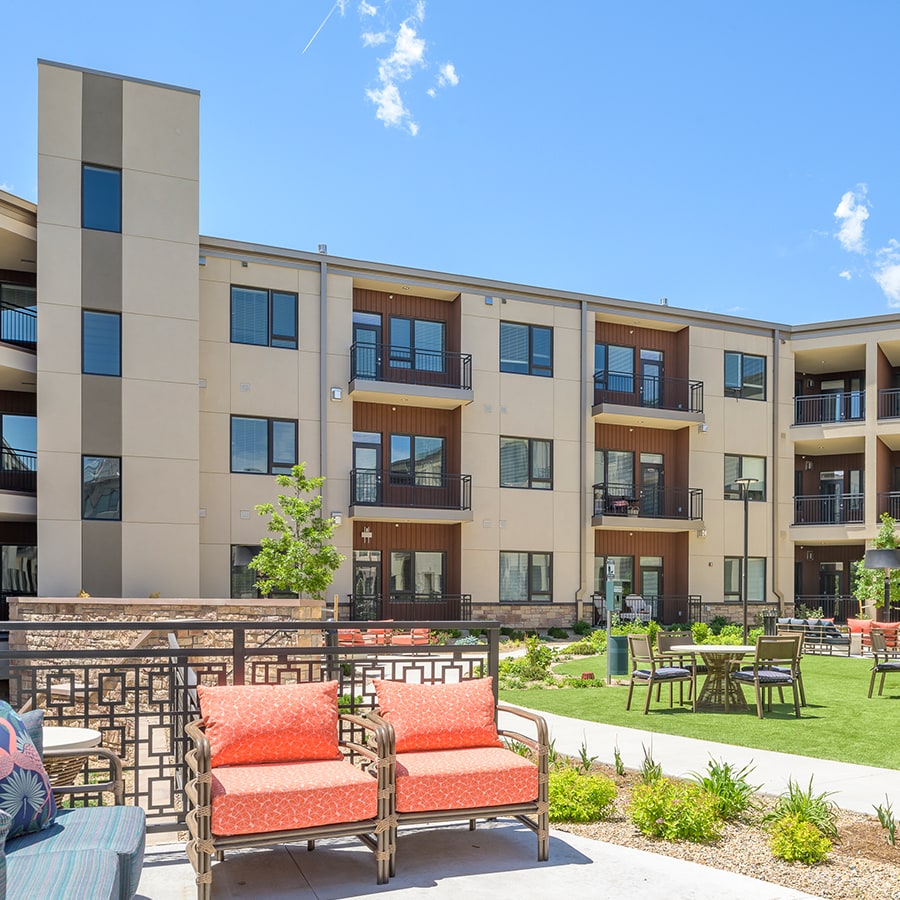
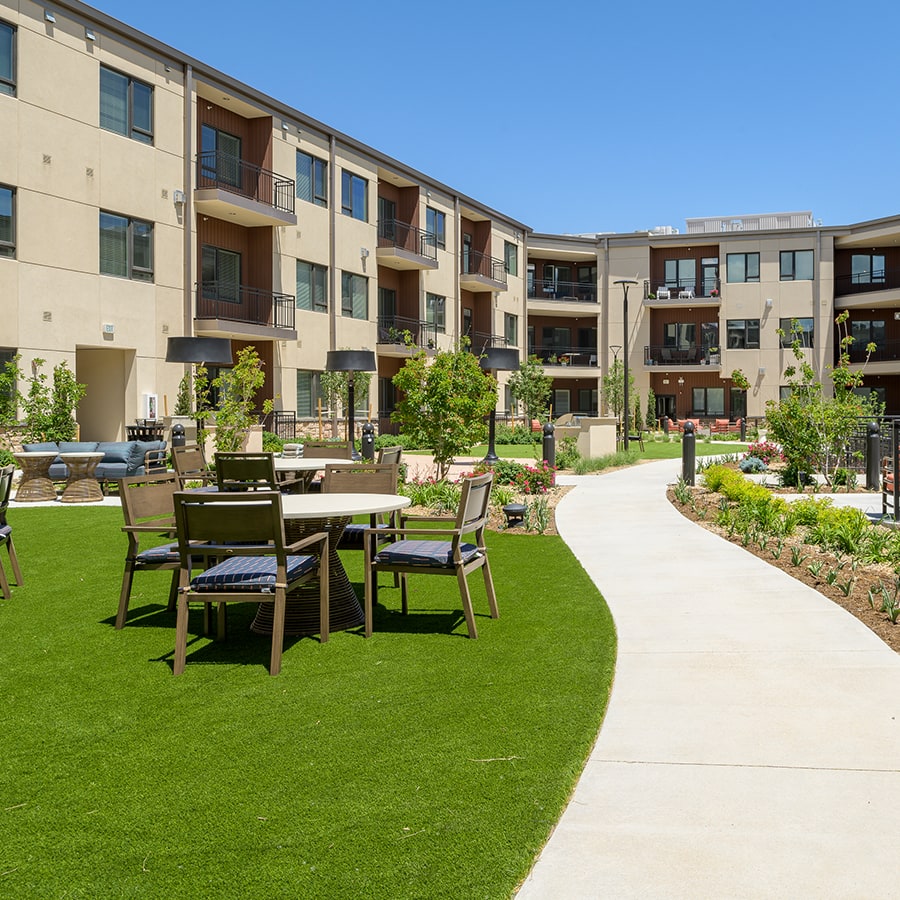
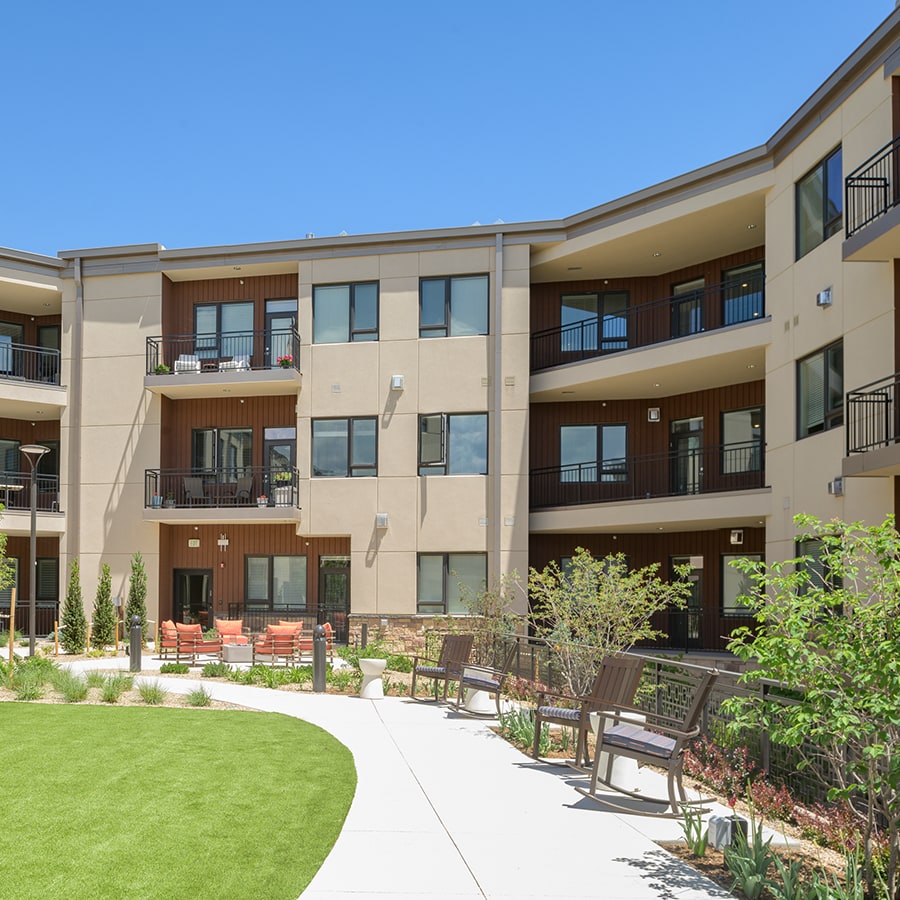
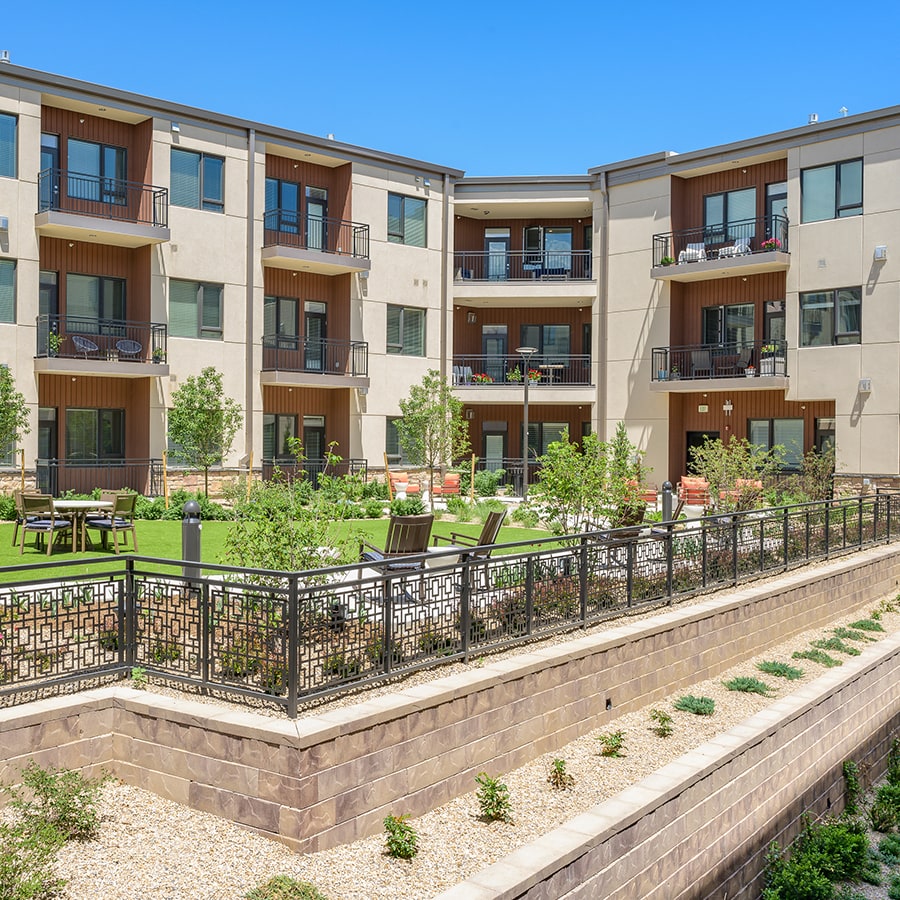
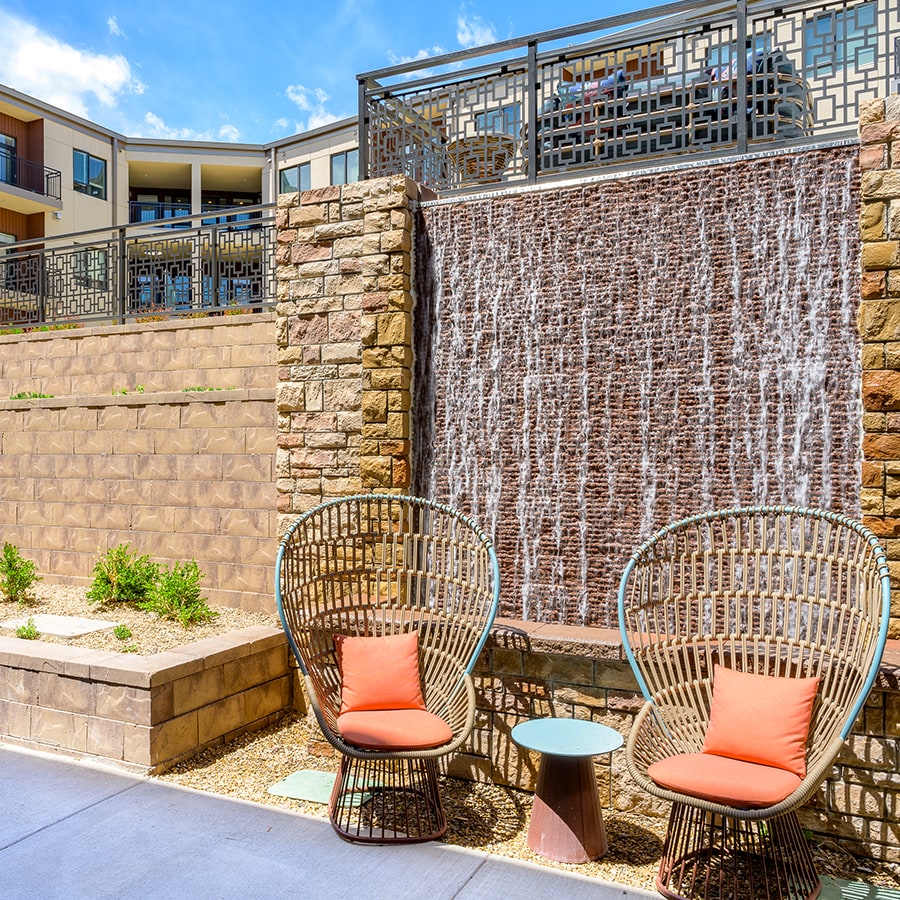
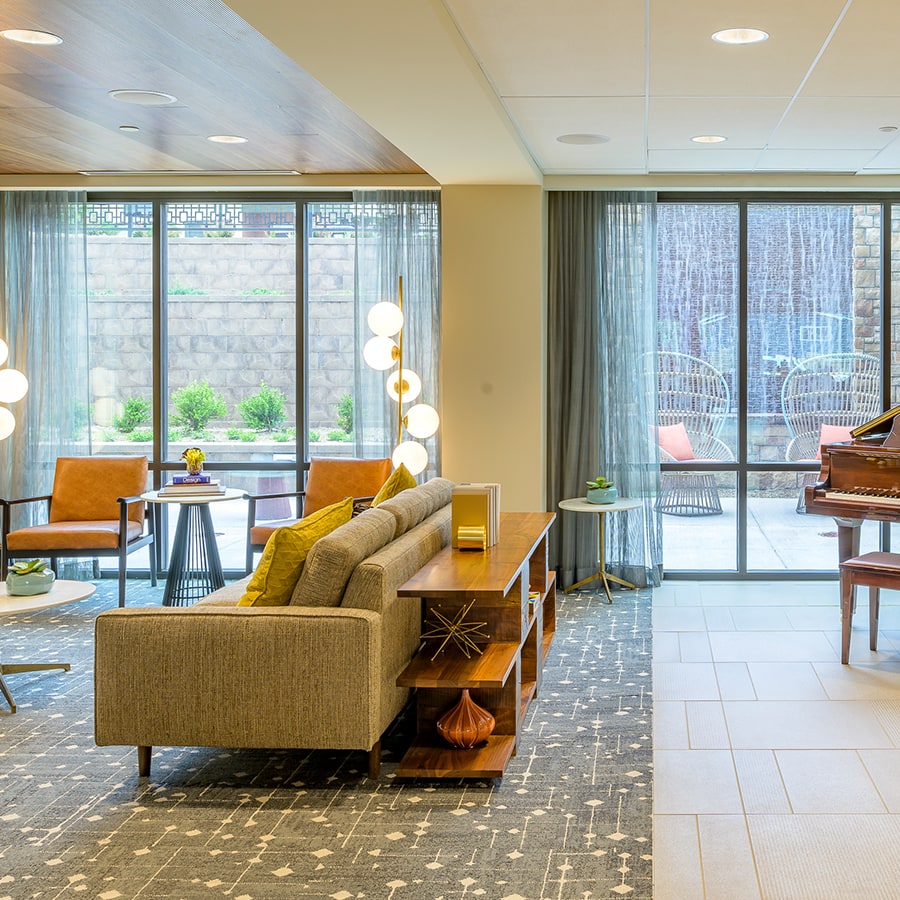
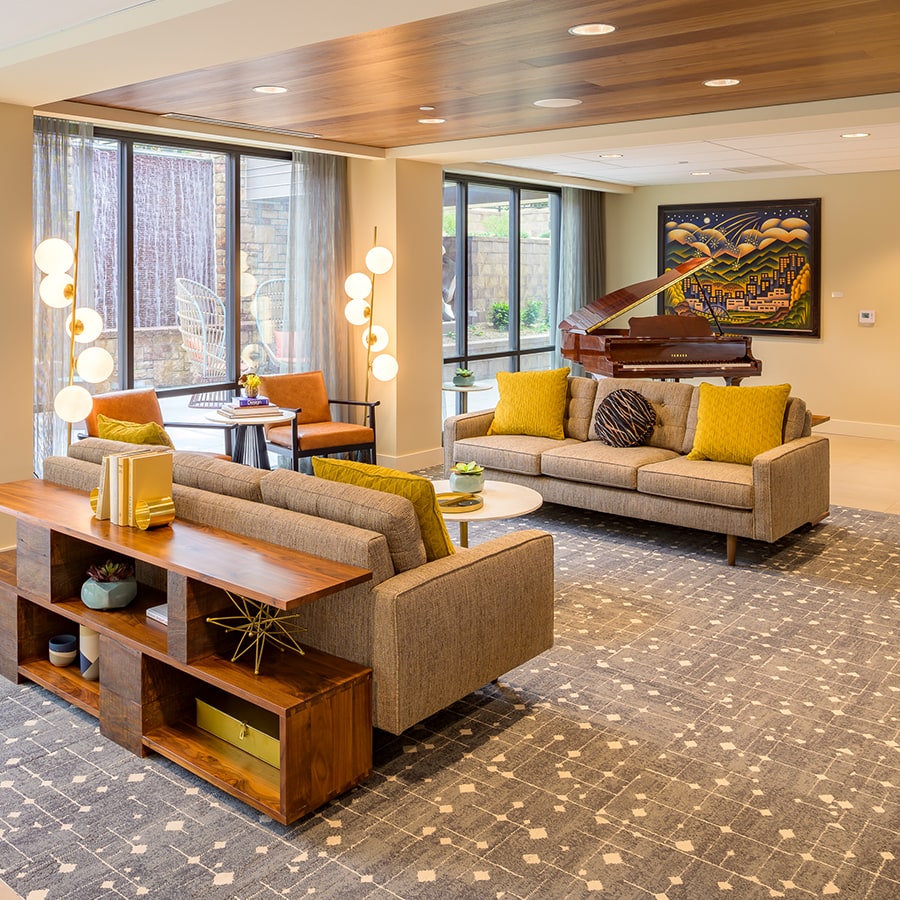
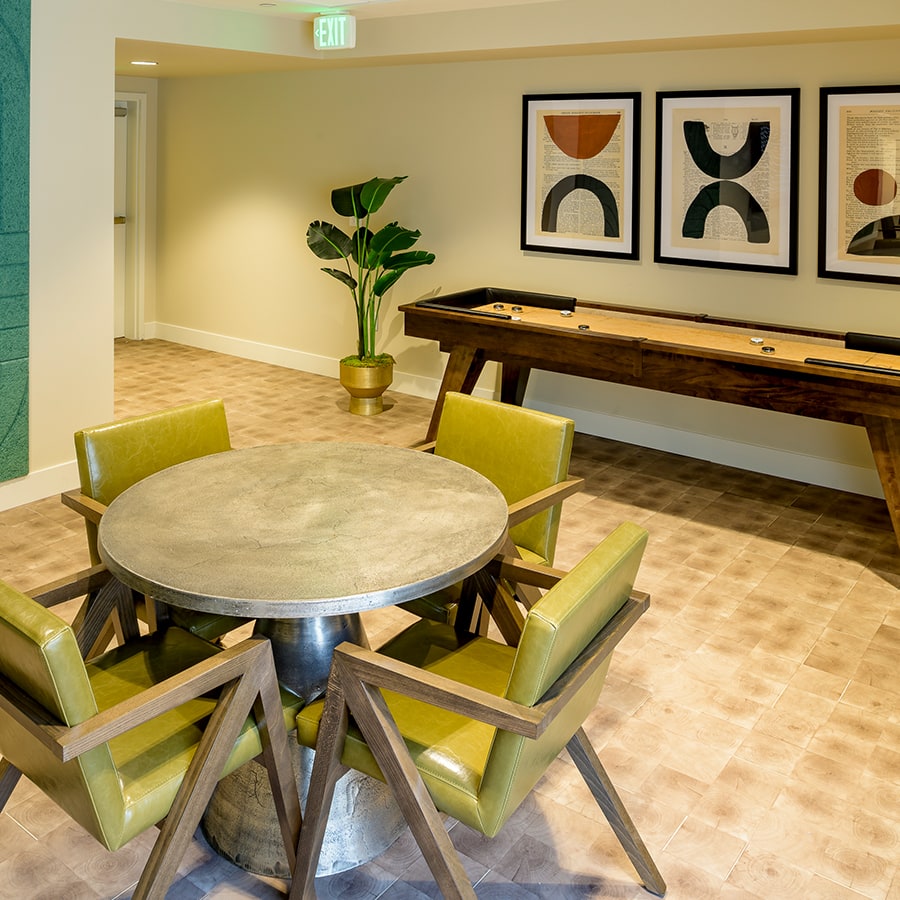
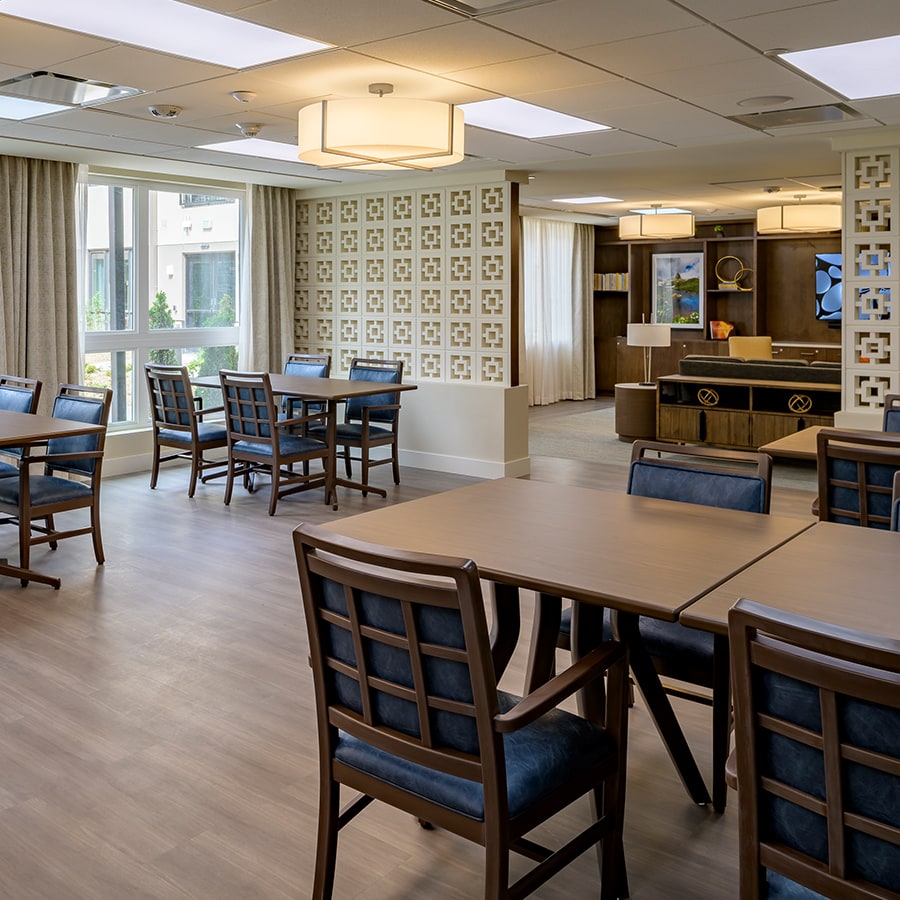
One of the benefits of senior living communities is the built-in support for hobbies. Structured programs, activity rooms, fitness centers, libraries, and outdoor courtyards create the perfect backdrop for pursuing passions.
Communities provide opportunities that might be harder to access alone, such as:
- Group art classes with guided instructors
- Music programs and choir groups
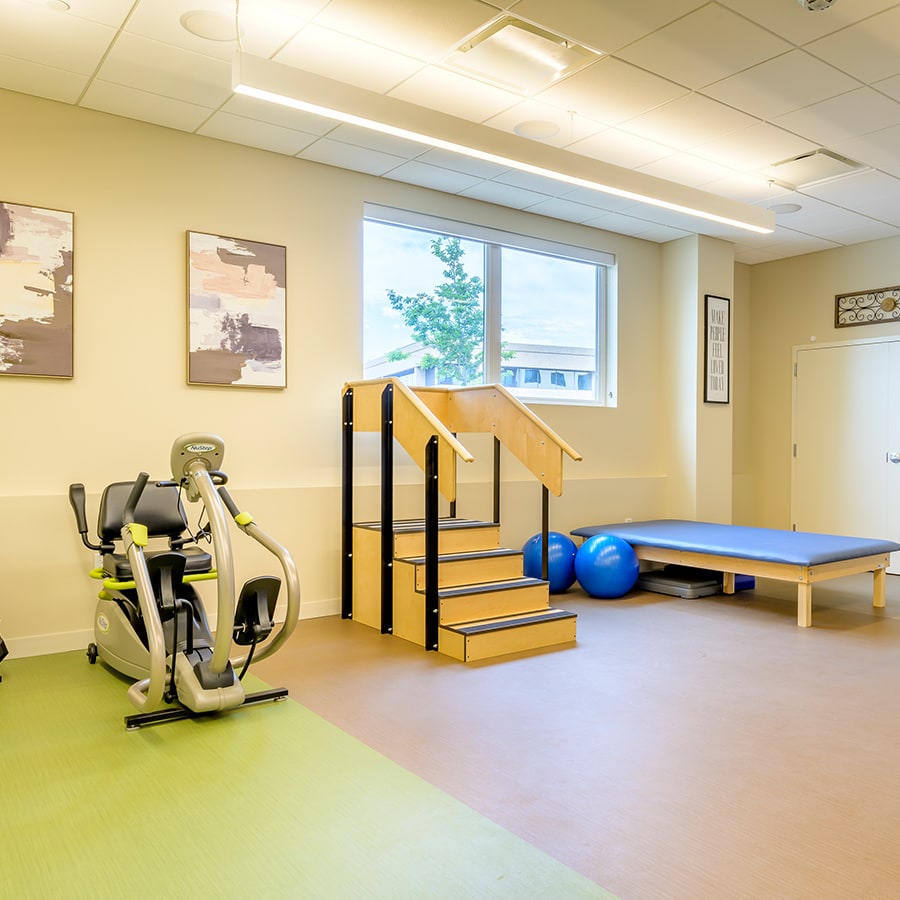
- Exercise and wellness classes tailored to different abilities
- Organized outings to museums, gardens, or concerts
- Shared kitchens or group dining make cooking and baking more enjoyable
Having these opportunities on-site eliminates barriers such as transportation or a lack of resources. Seniors can try new hobbies or continue lifelong interests with ease, surrounded by peers who share similar interests.
How Do Hobbies Build Connection and Improve Well-Being?
Hobbies aren’t just about passing the time—they’re about enriching it. Seniors who engage in hobbies often find more joy and satisfaction in life, making each day feel a little brighter and more fulfilling.
They often develop friendships, strengthen bonds with family, and find joy in the simple act of creating or participating in something meaningful.
Social hobbies, in particular, help reduce feelings of isolation, which can be common among older adults. Group games, crafts, or fitness classes foster camaraderie while boosting emotional health.
Hobbies also provide opportunities for intergenerational connection, such as teaching grandchildren how to cook, paint, or garden.
Experience Enriching Hobbies in a Supportive Community
Hobbies bring purpose, joy, and connection to everyday life, making them an essential part of healthy aging. Whether through art, gardening, music, fitness, or volunteering, seniors who stay engaged in their passions experience greater well-being and a stronger sense of identity.
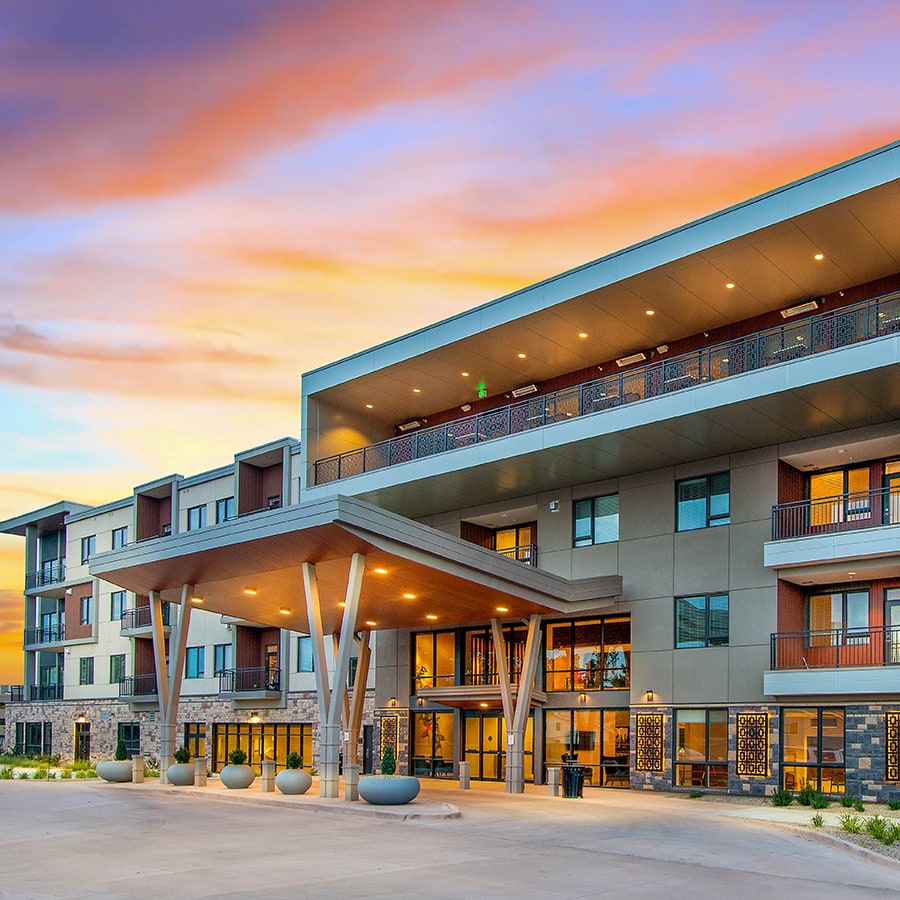
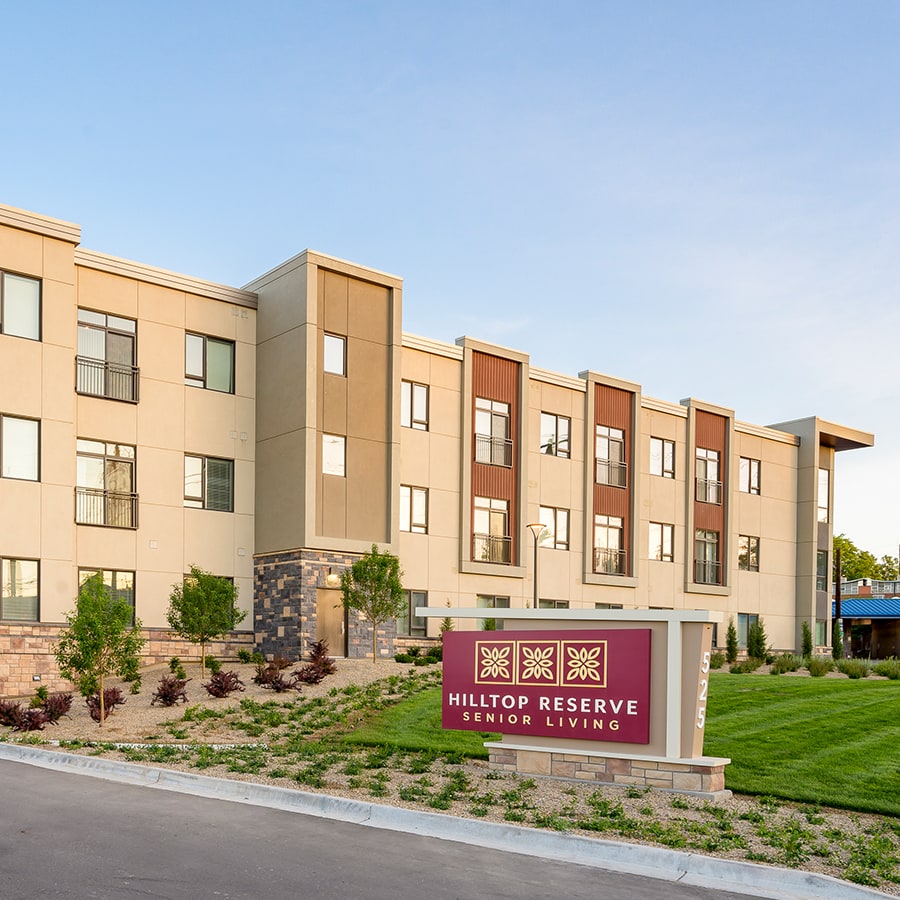
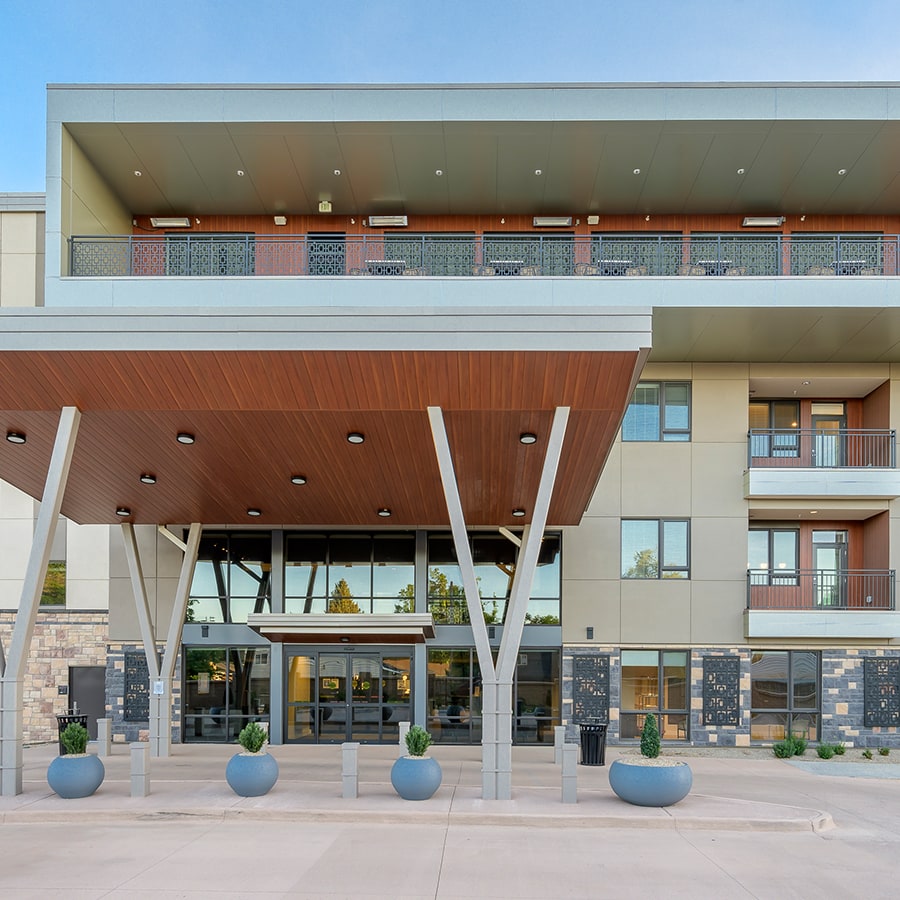
At Hilltop Reserve Senior Living in Denver, residents are encouraged to explore their hobbies in a supportive environment that values creativity, wellness, and connection.
With thoughtfully designed spaces, engaging programs, and opportunities to build meaningful relationships, life here is about embracing passions and living fully.
Schedule a visit today to see how Hilltop Reserve Senior Living empowers seniors to continue—or even discover—hobbies that inspire and enrich their lives.